PORT ST. LUCIE, FLORIDA

Tree Removal in
Port St. Lucie, FL

Understand when a tree should be removed, what local rules may apply, what affects the cost, and how to find qualified help in Port St. Lucie.

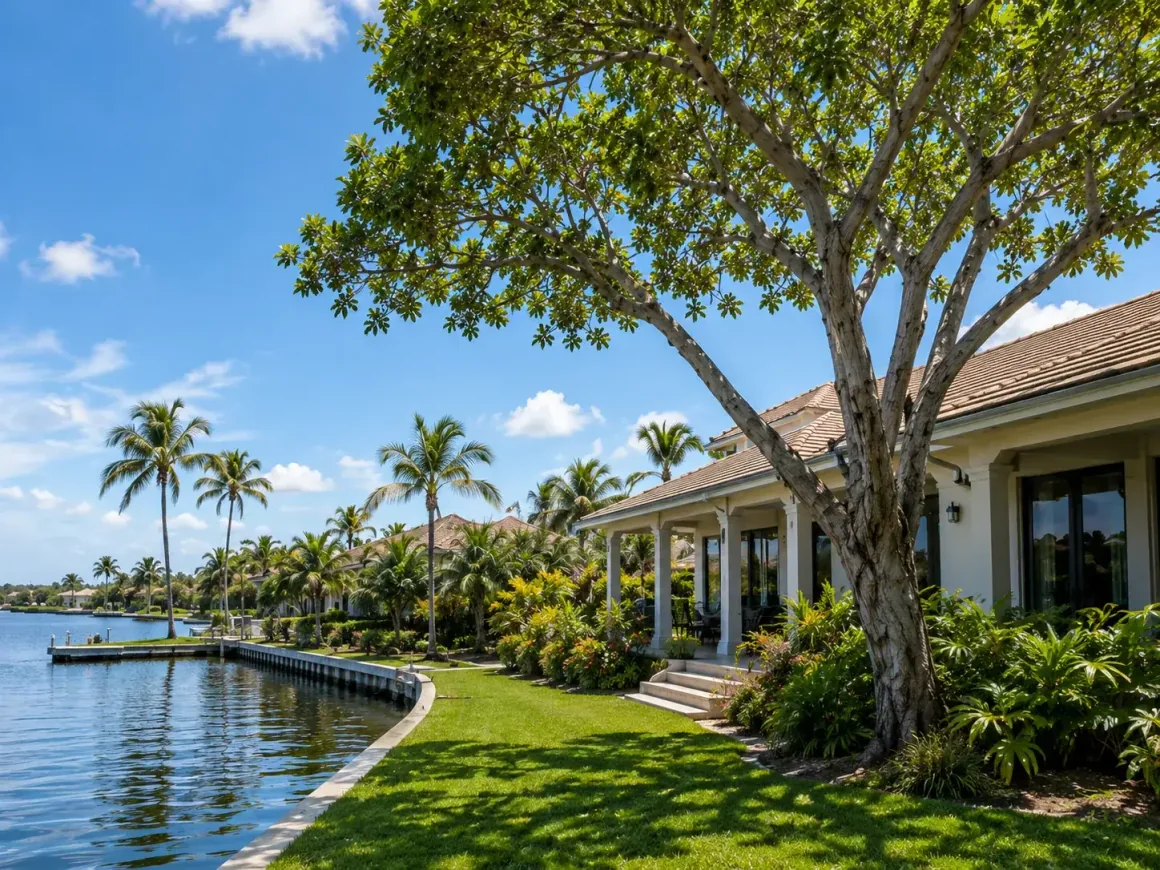
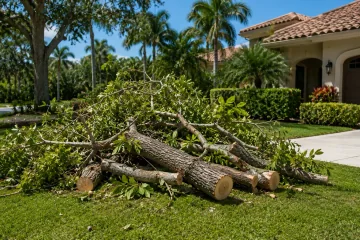
Subtropical residential tree canopy with palms and mature trees
Local Knowledge

Focused on Port St. Lucie ordinances and process.

Clear & Unbiased

Independent information you can trust.

Safety First

Practical guidance for protecting people and property.

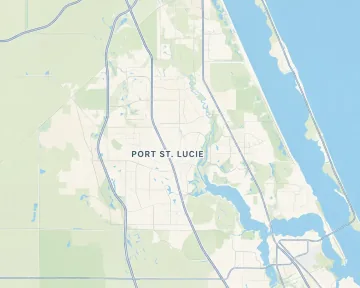
Map of Port St. Lucie
Neighborhood view with palms
Tree removal detail
QUICK ANSWER

Tree removal is sometimes necessary when a tree is dead, severely damaged, structurally unstable or presents an unacceptable risk to people or property. But removal should not automatically be the first response to every damaged or leaning tree.

UF/IFAS notes that many storm-damaged trees can recover when their major roots, trunk and structural limbs remain sound. Trees presenting significant risk, especially around buildings, roads or people, should be assessed by an appropriately qualified tree professional.

EDITORIAL SPOTLIGHT

What You'll Find Here

Local Regulations
Understand protected species, permit triggers, and exceptions.
Cost Insights
Explore typical price ranges and factors that influence cost.
Safety & Risk
Learn when removal is necessary and how risks are evaluated.
Neighborhood Guide
Local context matters: explore information by area.

Should This Tree Be Removed?

A tree does not need to look perfect to remain safe, and a damaged tree is not automatically a lost tree. The decision should consider the trunk, major limbs, roots, previous condition, amount of canopy loss and what could be struck if part of the tree failed.

UF/IFAS recommends giving immediate priority to trees that create an unacceptable risk to people, animals, buildings, vehicles or other valuable targets. Trees without an immediate safety hazard can often be evaluated more carefully before removal is chosen.

Dead or dying tree illustration

Dead or Dying Trees

A tree that has died or is declining severely can lose structural strength over time. Dead branches and deteriorated wood can become hazardous, particularly where people, vehicles or structures are within the fall zone.

Death alone does not determine how urgently the tree must be removed; location and structural condition matter as well.

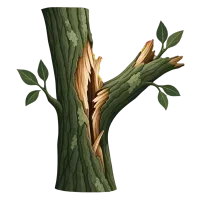
Cracks, splits and structural damage illustration

Cracks, Splits & Major Structural Damage

Deep cracks in the main trunk, large split stems and severe structural defects deserve professional attention. UF/IFAS identifies major trunk cracking and large stem failures among conditions that can justify removal after storm damage.

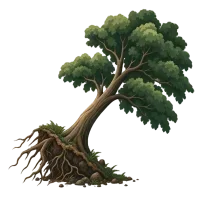
Sudden leaning or root movement illustration

Sudden Leaning or Root Movement

A new or increasing lean can be more concerning than a tree that has grown at an angle for many years. Soil movement, lifted roots or root-plate failure after high winds can indicate a loss of stability.

Trees leaning toward homes, roads or other occupied areas should not be evaluated from appearance alone.

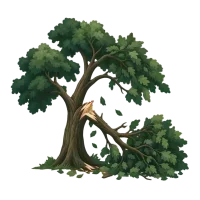
Storm damaged tree illustration

Storm-Damaged Trees

Broken branches do not automatically mean the entire tree should be removed. A tree with a sound trunk and root system may be a candidate for restoration pruning.

Conversely, major trunk damage, severe root failure or extensive structural loss may make removal the safer option.

Tree near building critical factor illustration
CRITICAL FACTOR

Trees Near Buildings or Other Targets

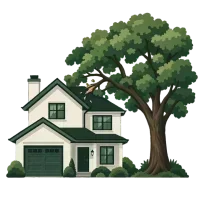
A structural defect becomes more important when there is something beneath or beside the tree that could be damaged. A tree over an empty area and the same tree over a bedroom, driveway or busy sidewalk can represent very different levels of risk.

Tree Removal Rules in Port St. Lucie

Tree-removal rules depend on the property, tree and jurisdiction.

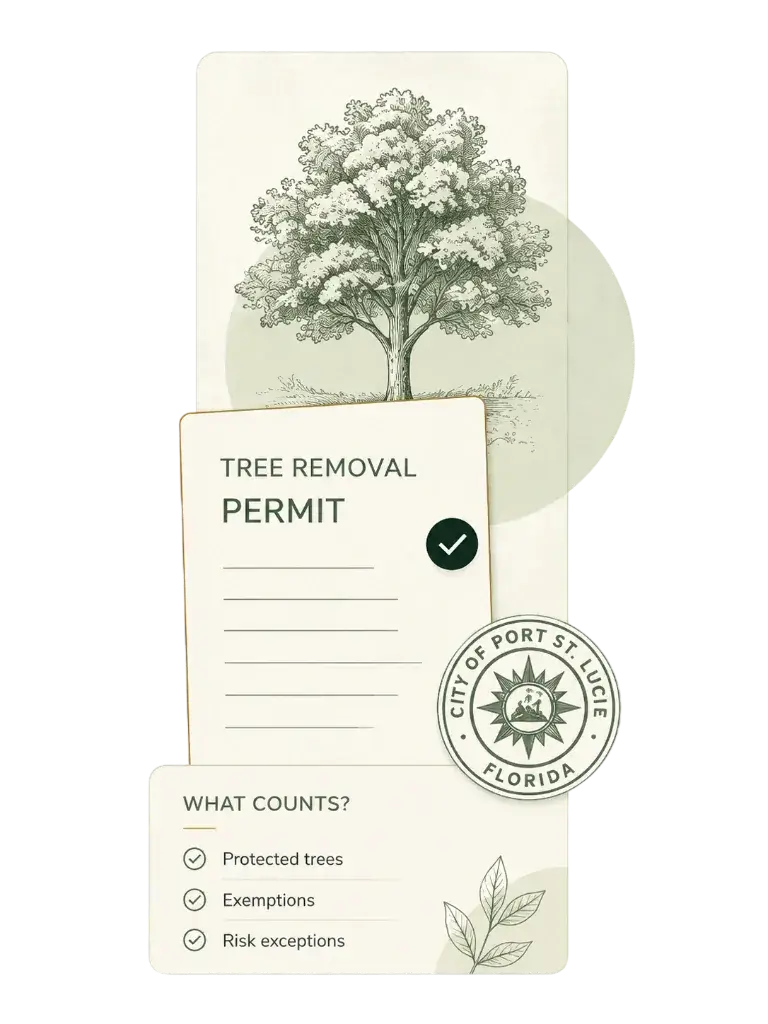
The City of Port St. Lucie Tree Protection and Preservation Ordinance generally protects mature trees with a diameter at breast height of at least 12 inches and native palms with a clear trunk of at least 10 feet. Protected-tree removal can require approval from the Planning and Zoning Department.

However, platted single-family residential lots are exempt from the city's tree-preservation requirements as long as the applicable minimum landscaping requirements are met and maintained. Commercial properties, public areas and some PUD situations can operate under different rules.

Florida law also provides a specific residential-property exception when an ISA Certified Arborist or Florida licensed landscape architect documents, using the required tree-risk assessment procedure, that a tree poses an unacceptable risk and removal is the only practical way to reduce that risk below the specified level.

Illustration representing tree removal permits and exemptions

What Does Professional Tree Removal Usually Involve?

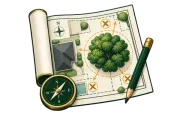
  1. Tree site assessment illustration

    Site Assessment

    Before work begins, the tree, surrounding structures, access, utilities and fall zone should be assessed.

    01
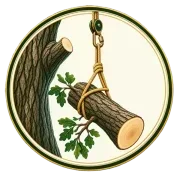
  2. Tree removal planning illustration

    Removal Plan

    A tree standing in an open area may be removed very differently from one located between a house, fence, pool or power line.

    02
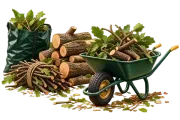
  3. Tree debris management illustration

    Debris Management

    The estimate should make clear whether logs, branches and wood chips will be removed, left on-site or handled as an additional service.

    04
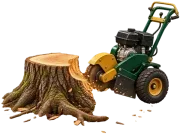
  4. Stump grinding illustration

    Stump Grinding

    Stump grinding is commonly treated as a separate part of the job. Grinding removes the visible stump below ground level, but it does not mean that the entire underground root system has been excavated.

    05

How Much Does Tree Removal Cost in Port St. Lucie?

There is no responsible single price for tree removal without examining the job.

Current national consumer cost data places many ordinary removals in roughly the hundreds to low thousands of dollars, while especially large, complex or hazardous work can cost substantially more. These are national benchmarks, not Port St. Lucie quotes.
NATIONAL CONTEXT, NOT A PORT ST. LUCIE QUOTE

The largest pricing variables typically include:

Tree height and trunk diameter icon
tree height and trunk diameter;
Accessibility icon
accessibility;
Proximity to structures icon
proximity to structures;
Tree condition icon
tree condition;
Rigging requirements icon
rigging requirements;
Cranes or specialty equipment icon
cranes or specialty equipment;
Emergency timing icon
emergency timing;
Debris hauling icon
debris hauling;
Stump grinding icon
stump grinding;
Permit-related work when applicable icon
permit-related work when applicable.

How to Choose a
Tree Removal Provider

Do not choose solely from the lowest number on an estimate.

UF/IFAS recommends checking insurance, professional qualifications and whether the contractor follows appropriate industry practices. For advanced tree-risk evaluations, restoration work and hazardous trees, ISA Certified Arborists provide a recognized professional credential.

BEFORE WORK STARTS Before work starts, ask:

Questions worth asking

  • What exactly is included in the price?
  • Is debris removal included?
  • Is stump grinding included?
  • Who handles any required permits?
  • What insurance does the company carry?
  • Will an ISA Certified Arborist be involved if the tree requires a risk assessment?
  • What happens if the scope changes after work begins?

Frequently Asked Questions

Do I need a permit to remove a tree in Port St. Lucie?

It depends on the property, tree and applicable rules. Platted single-family lots have an important city exemption, while protected trees on other types of property may require approval. Florida law also contains a specific exception for certain hazardous trees on residential property when the required professional documentation exists.

Should every leaning tree be removed?

No. A lean is one factor in a larger risk assessment. A newly developed lean, visible root movement or a lean toward an occupied target deserves professional evaluation.

Can a storm-damaged tree recover?

Yes. UF/IFAS notes that many trees with sound major roots, trunk and structural limbs can recover, even after significant canopy damage.

Does tree removal include stump grinding?

Not automatically. It should be clearly included or excluded in the written estimate.

Can I remove a tree close to a power line myself?

No. Vegetation near overhead power lines should be handled by qualified line-clearance professionals.