
On This Page (Table of Contents)
Hurricane Preparation Starts Before a Storm Is Approaching
The Atlantic hurricane season officially runs from June 1 through November 30.
Tree preparation should not begin with aggressive last-minute cutting after a warning is issued. Long-term structural pruning, correcting defects and maintaining healthy root systems are more useful than indiscriminate canopy removal.
Inspect Trees for Structural Problems
Watch for structural vulnerabilities across four primary inspection areas:

Canopy & Branches
- large dead branches;
- broken branches;
- poorly attached stems;

Trunk & Structure
- cracks;
- major cavities;
Roots & Leaning
- root damage;
- recent leaning;
Pruning History
- previous topping.
Tree structure, root condition, previous pruning and overall health all influence storm performance.
Do Not Top Trees for Hurricane Preparation
Topping does not make a tree safely “shorter.”
UF/IFAS identifies topping as poor pruning because the resulting shoots can be weakly attached, increasing vulnerability in later storms.
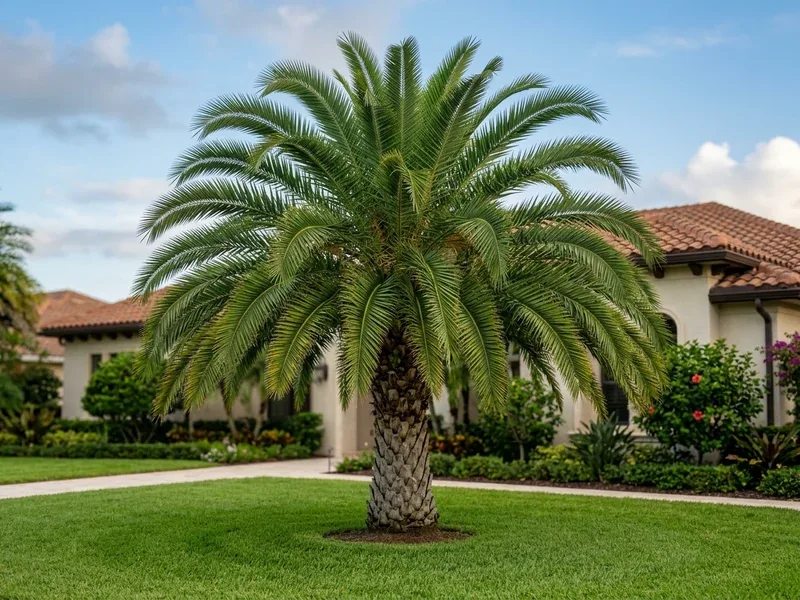
Do Not Hurricane-Cut Palms
Removing most of a palm's healthy green fronds is not science-based hurricane preparation.
UF/IFAS reports that overpruned “hurricane-cut” palms were observed to experience more crown failure than palms retaining fuller canopies.
Dead fronds that could detach can be removed, but healthy foliage generally should remain.
Some Tree Species Handle Wind Better Than Others
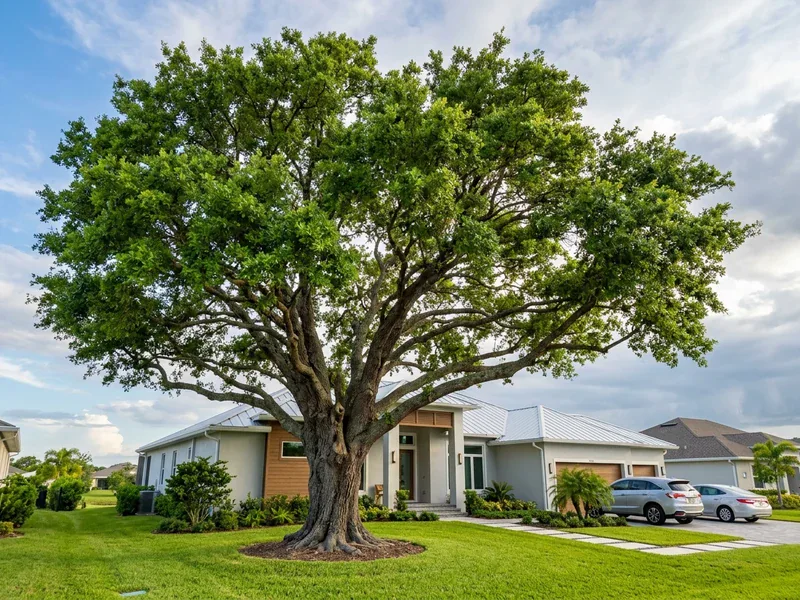
Tree species is only one part of storm resistance; soil, root condition, previous damage, age and pruning also matter.
UF/IFAS hurricane studies have repeatedly found species such as live oak and sabal palm among the more wind-resistant trees observed in Florida, while other species have performed less consistently.
What About Trees Near Power Lines?
Never try to “prepare” a tree near overhead electrical lines yourself.
Qualified line-clearance professionals should handle vegetation around power lines.
After the Storm
Once conditions are safe:
- 1prioritize hazards;
- 2avoid hanging limbs;
- 3stay clear of power lines;
- 4assess major trunk and root damage;
- 5remove only what needs immediate removal;
- 6do not assume that a damaged tree is automatically dead.